IPER – Institute of Professional Education & Research
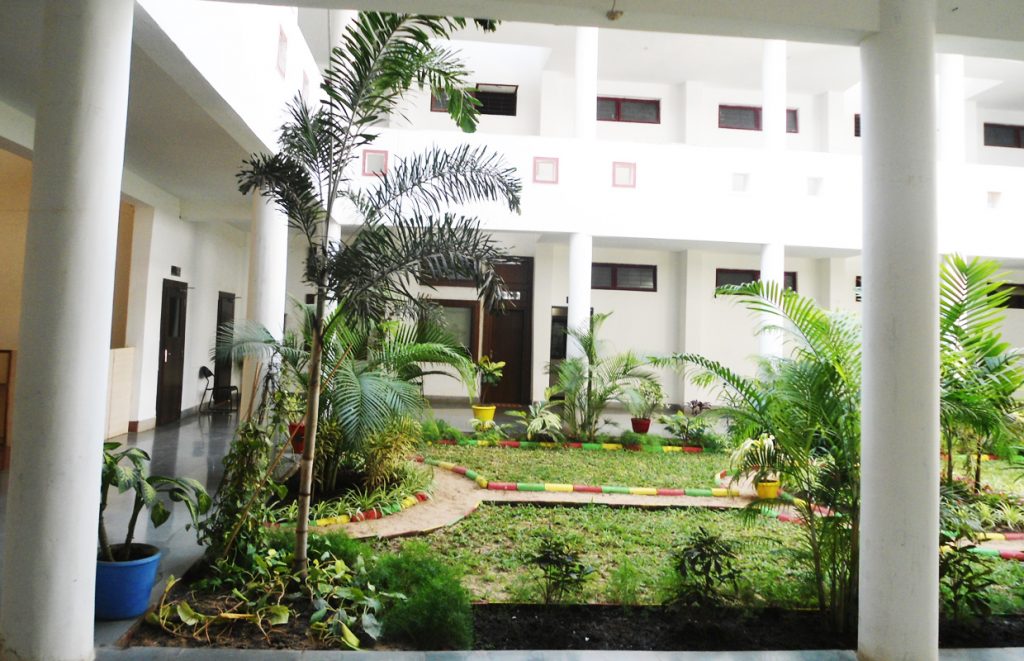
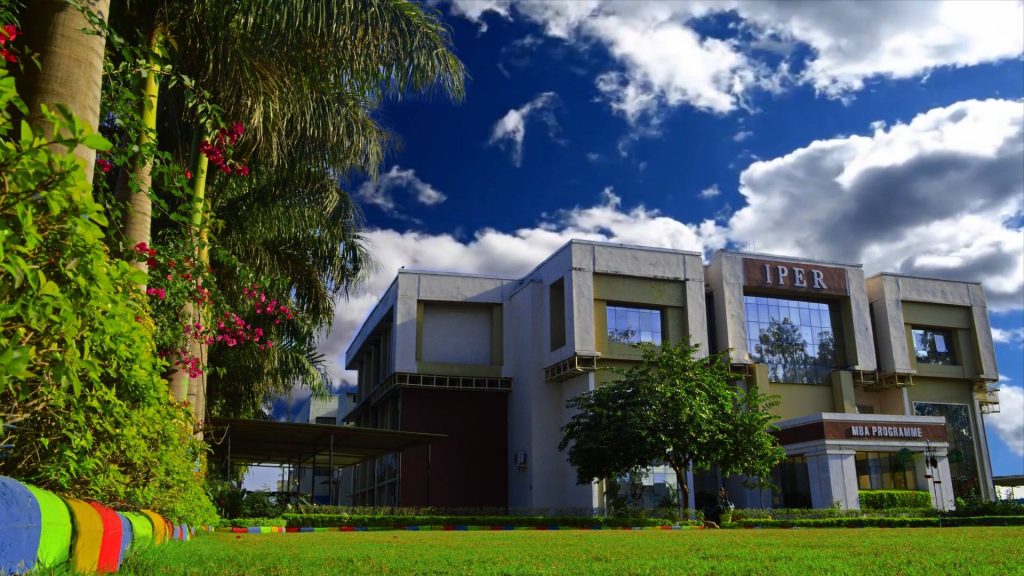
IPER-Institute of Professional Education and Research located in Bhopal, is one of the leading Institutions for Business Management Studies in Central India, since 1996 offering postgraduate and undergraduate programs. The Institute is approved by All India Council for Technical Education (AICTE), Govt. of India, New Delhi and affiliated to Barkatullah University, Bhopal, Madhya Pradesh.
The parent body of IPER is Chaitanya Shiksha Samiti under the Chairmanship of Mr. Narendra Rawtani – an eminent change leader in the field of Management Education. Besides regular interactive classroom sessions for awarding of regular postgraduate degrees in Management, the Institute has been extending consulting and training support to various industrial and business organizations.
Barkatullah University
Barkatullah University, formerly known as Bhopal University, was established in 1970 in the capital city of Madhya Pradesh and rechristened in 1988 as Barkatullah Vishwavidyalaya in the living memory of the great freedom fighter Prof. Barkatullah who belonged to Bhopal. The University has been accredited ‘A’ grade by NAAC in 2025. University campus covers an area of approx. 400 acres and at a distance of about 3 km from Rani Kamlapati Railway Station.
Barkatullah University covers almost full spectrum of higher education, offering courses in its affiliated Colleges and University Teaching Departments in the faculties of Arts, Social Science, Science, Life Science, Engineering, Law, Commerce, Education, Physical Education, Technology, Home Science and Management. Territorial jurisdiction of the university extends to eight districts namely Bhopal, Sehore, Vidisha, Raisen, Narmadapuram, Harda, Betul and Rajgarh.
The Conference
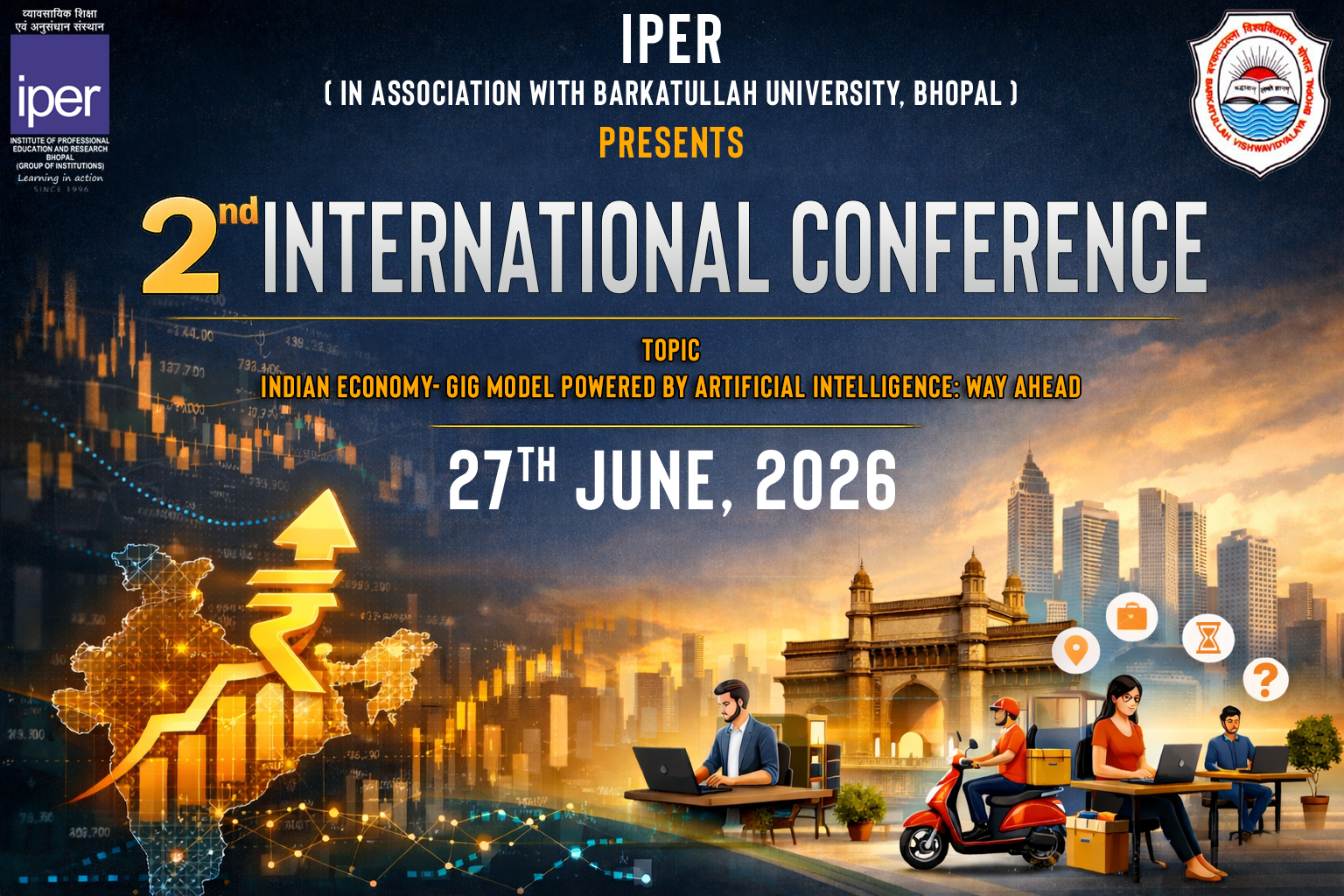
IPER Bhopal in collaboration with Barkatullah University Bhopal, is hosting its 2nd International Conference to examine the GIG model’s role in India’s economic future powered by AI. The event unites experts to discuss growth opportunities and hurdles in the gig economy, building on insights from digital platforms and workforce shifts. Held at IPER Bhopal, it emphasizes actionable strategies for sustainable development. This event builds on the success of the inaugural conference by uniting academicians, policymakers, industry leaders, researchers, and gig economy
practitioners to explore growth trajectories, emerging challenges, and innovative solutions for sustainable development. Keynote addresses, panel discussions, paper presentations, and networking sessions will highlight real-world case studies from sectors like e-commerce, ride-sharing, and freelancing platforms, fostering actionable insights for India’s gig-driven future.
The Theme
“Indian Economy- GIG Model powered by Artificial Intelligence: Way Ahead”
The Indian economy stands at a pivotal juncture, with the Gig model of growth emerging as a cornerstone of its future trajectory. This model, characterized by short-term, flexible work arrangements facilitated by digital platforms, has rapidly transformed traditional employment paradigms. As of 2026, India’s gig workforce exceeds 15 million, projected to reach 90 million by 2030, driven by sectors like ride-hailing, food delivery, freelancing, and e-commerce.
At its core, the GIG model-standing for Growth, Innovation, and Gigification-leverages technology to unlock unprecedented scalability. Platforms such as Uber, Swiggy, Zomato, and Upwork exemplify this shift, enabling micro-entrepreneurship and bridging urban-rural divides through smartphone penetration and affordable data. This has injected vitality into the economy, contributing nearly 1.5% to GDP while absorbing surplus labor from agriculture and informal sectors. The “way ahead” lies in harnessing AI, blockchain, and 5G to amplify efficiency, reduce transaction costs, and expand into emerging areas like healthcare gigs and creative services.
Conference Objectives
- Examine the gig economy as an emerging model of economic growth in India
- Evaluate macroeconomic implications including productivity enhancement and employment elasticity
- Examine sectoral dynamics across major gig-intensive sectors
- Assess the transformation of informal employment through platform-based work
- Analyze policy, legal, and regulatory frameworks governing gig workers
- Understand the role of gig work in India’s demographic dividend
- To Evaluate Ethical AI, Data Governance & Worker Protection Frameworks.
- To Explore AI-Driven Skill Development & Employability Enhancement.
- To Develop a Strategic Roadmap for Sustainable AI-Powered Gig Economy in India.Encourage interdisciplinary research on the future of work
Advisory Committee
| 1 | Dr. Suresh Kumar Jain | – | Vice Chancellor – Barkatullah Vishwavidyalaya, Government of Madhya Pradesh, Bhopal |
| 2 | Dr. K. Rangrajan | – | Professor & Head – Indian Institute of Foreign Trade (IIFT) (Ministry of Commerce), Kolkata |
| 3 | Prof. A.K. Sharan | – | Professor, Mahatma Gandhi Central University’s East Champaran – Motihari Bihar |
| 4 | Dr. Kumar Bijoy | – | Faculty- Finance, Shaheed Sukhdev College of Business Studies,University of Delhi. |
| 5 | Dr. Vivek Sharma | – | Dean –Faculty of Management , Barkatullah University, Government of Madhya Pradesh, Bhopal |
| 6 | Prof Satyajit Majumdar | – | Managing Director, Tata Institute of Social Sciences, Incube Foundation, Mumbai |
| 7 | Dr. Samish Dalal | – | Professor and In charge of GFMB Program, S P Jain School of Global Management, Mumbai |
| 8 | Dr. P K Mishra | – | Former Vice Chancellor – DAVV, Indore & Former Vice Chancellor, Barkatullah Vishwavidyalaya, Government of Madhya Pradesh, Bhopal |
| 9 | Prof. Miriam O’Callaghan | – | Dean, School of Business & Technology
Associate Dean, Research & Scholarship, William Woods University, Fulton, Missouri (USA) |
| 10 | Mr. Saurabh Mishra | – | Associate Director, Financial Services Advisory, Ernst and Young (EY), London- UK |
| 11 | Mr. Narendra Rawtani | – | Treasurer, Chaitanya Shiksha Samiti, Parent Body of IPER, IPER Group of Institutions, Bhopal. |
| 12 | Dr. A S Khalsa | – | Group Director – IPER Group of Institutions, Bhopal |
| 13 | Dr. Mahesh Soni | – | Professor – IPER Group of Institutions, Bhopal |
| 14 | Dr. Harsh Sharma | – | Professor – IPER Group of Institutions, Bhopal |
“Indian Economy – GIG Model powered by Artificial Intelligence: The Way Ahead”
The Indian economy stands at a pivotal juncture, with the Gig model of growth emerging as a cornerstone of its future trajectory. This model, characterized by short-term, flexible work arrangements facilitated by digital platforms, has rapidly transformed traditional employment paradigms. As of 2026, India’s gig workforce exceeds 15 million, projected to reach 90 million by 2030, driven by sectors like ride-hailing, food delivery, freelancing, and e-commerce.
At its core, the GIG model-standing for Growth, Innovation, and Gigification-leverages technology to unlock unprecedented scalability. Platforms such as Uber, Swiggy, Zomato, and Upwork exemplify this shift, enabling micro-entrepreneurship and bridging urban-rural divides through smartphone penetration and affordable data. This has injected vitality into the economy, contributing nearly 1.5% to GDP while absorbing surplus labor from agriculture and informal sectors. The “way ahead” lies in harnessing AI, blockchain, and 5G to amplify efficiency, reduce transaction costs, and expand into emerging areas like healthcare gigs and creative services.

Call For Papers
The Conference invites original and unpublished research papers, conceptual papers, case studies, and policy-oriented articles related to the conference theme and sub-themes. Submissions are invited from academicians, researchers, doctoral scholars, policymakers, industry professionals, and practitioners. All submitted papers will undergo a peer-review process.
Publications
Selected papers will be published in IPER’s Business Review Journals (ISSN No. awaited).
| Submission Deadlines: – | |
| Submission of Abstract – | 15th March 2026 |
| Full Paper Submission Deadline – | 1st May 2026 |
| Notification of Acceptance – | 10th May 2026 |
| Conference Date – | 27th June 2026 |
| Paper Submission & Presentation Fees: – |
| Research Scholars – INR 750/- |
| Students – INR 250/- |
| Faculty Member – INR 1500/- |
| Corporate Practitioner – INR 2000/- |
| Foreign Delegates – $50 |
| Participating / Attending Fees: – |
| Research Scholars / Students – INR 150/- |
| Faculty Member – INR 500/- |
| Corporate Practitoners – INR 1000/- |
| Foreign Delegates – $25 |
Guidelines & Specifications
Selected papers will be published in IPER’s Business Review Journal
| Submission Deadlines: – | |
| Submission of Abstract – | 15th March 2026 |
| Full Paper Submission Deadline – | 1st May 2026 |
| Notification of Acceptance – | 10th May 2026 |
| Conference Date – | 27th June 2026 |
Guidelines For Submission of Full Paper:
Authors are requested to submit full papers as per the submission guidelines given below:
Manuscript Details:
- To be in MS-word format, double spaced with 1-inch margins in Times New Roman Font with Font size 12 and text in black color. Abstract submitted to be not more than 250 words (with 4-5 keywords) that adequately describes the work and highlight its significance.
- Cover Letter containing details such as Title of the Research Paper, Name of authors, affiliation, address, email and contact no. should be sent separately. The manuscript file to be sent should have no author details or any identifying contact related to the author(s). All these details should be present only in Cover Letter.
- The actual research paper should have an Introduction, Literature review, Objectives, Research gaps, Methodology, Data analysis, Limitations/scope for future work, Conclusion. Manuscript to be thoroughly checked for spellings and grammar.
- The length of paper to be around 3,000 – 4,000 words (excluding all notes, references, tables and appendices) and subheadings must be short and not numbered. The primary heading should be in the capital form (upper case), and boldface. The sub- headings should be in title-case capital first letter of each word in the capital and in bold.
- Tables should be numbered consecutively. The Title of the Table should be placed above the table. Figures/ Diagrams/ Graphs should be numbered consecutively. The ‘Source’ should be indicated at the bottom.
- All references that have been cited in the manuscript should be mentioned in the Reference list of the manuscript. Permission to be in place for use of copyrighted material from other sources.
- Similarity Index and Peer-review Policy: To be less than 10% (including their own publications), otherwise the manuscript would not be considered for peer- review process. IPER follows a double-blind peer review system for selecting articles to be published. The decision regarding acceptance/rejection/re-submission etc. would be communicated only after the completion of the peer-review process. The author must check the plagiarism of their research paper and send their report with paper.
- Copyright and licensing: On acceptance of the paper, the author will be required to sign and submit a ‘Copyright Form’ that grants the sole and exclusive right to publish the article.
- IPER is not responsible for any claim made in any of the papers accepted for publication in the proceedings. The author(s) of each paper are solely responsible for the content, referencing of their paper, manuscripts they have submitted have not been published elsewhere and contain no material previously published or written by another person, except when due reference is made in the text of the paper.
- The abstract & full length paper should be sent through e-mail at the following E-mail ID: conference@iper.ac.in
Review Process
All the submissions received as per the guidelines given above will be double Peer-reviewed. All papers must contain an abstract of not more than 250 words, the purpose of the research, methodology, major findings, implications & key references. However, papers from practitioners may include business con- text, analytical problems, proposed solutions & insights. Authors should clearly mention under which sub-theme they want their paper to be considered. The acceptance of the paper for the presentation in the conference will be conveyed to the Author(s) in due course of time.
Conference Committee
| 1. Dr. Mahesh Soni (Conference Chairman) |
| 2. Dr. Harish Sudhir Kulkarni (Conference Convener) |
| 3. Dr. Trupti Dave (Conference Convener) |
| 4. Dr. Amit Kumar Tiwari (Conference Co-Convener) |
| 5. Dr. Priya Dwivedi (Conference Co-Convener) |
| 6. Dr. Ashish Ghosh (Conference Co-Convener) |
BrochureClick Here to Download
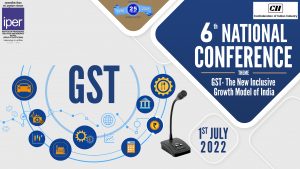
Glimpses of Conferences at IPER Bhopal
For Registration Contact:
 |
Dr. Harish Sudhir Kulkarni , Dr. Trupti Dave
IPER (Technical Campus), Bhopal (M.P.) – 462026 Mobile No.:- (91) 7440622049, Email: conference[at]iper.ac.in Telephone Number:- 0755-2706100,01 Mailing Address:- Opposite British Park, 11 Mile, Hoshangabad Road, Misrod, Bhopal (M.P.) 462026, India IPER HELPLINE NO:- 0755-2706100,01 | Website: www.iper.ac.in
|